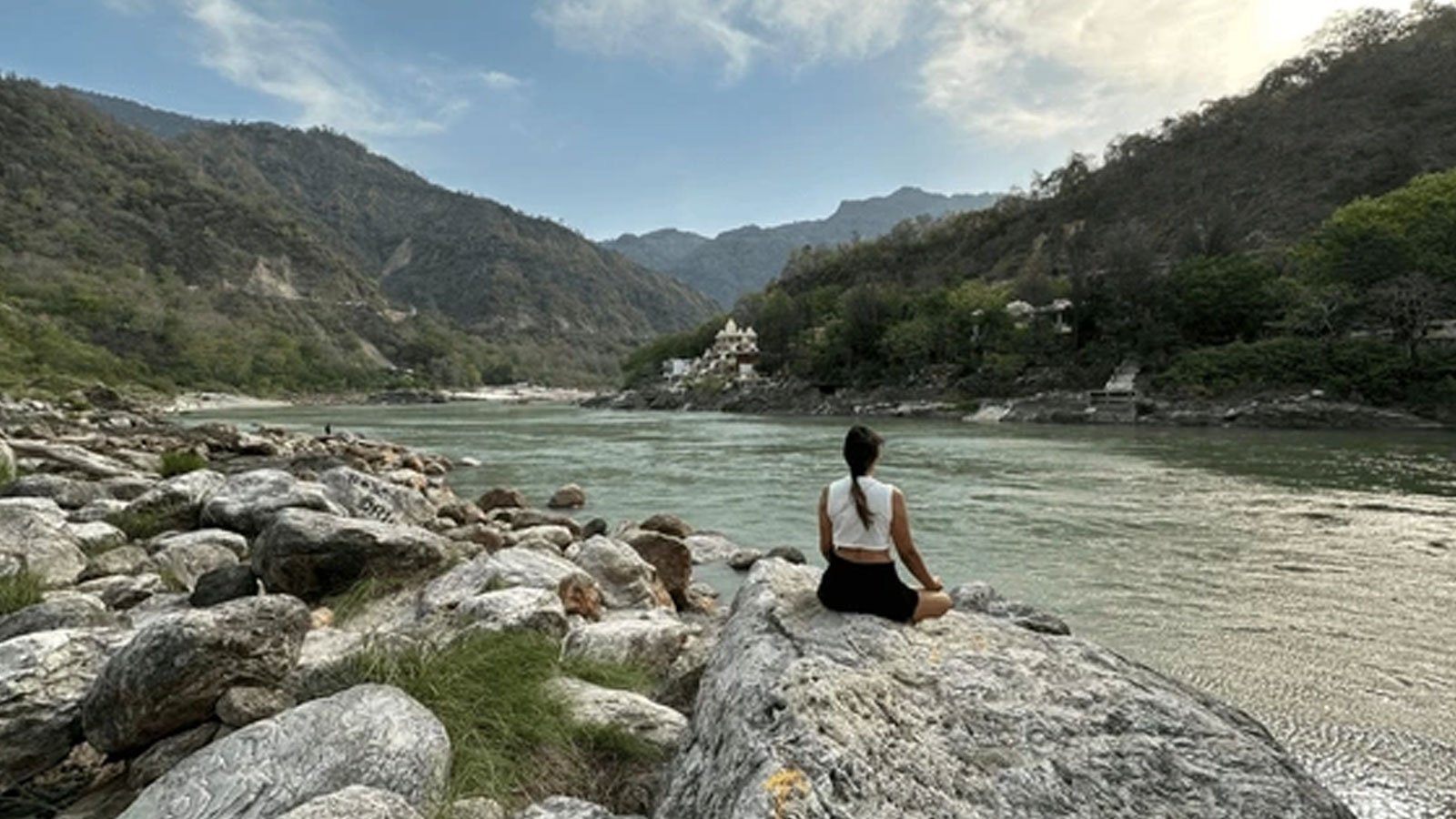
Nestled at the foothills of the Himalayas, where the Ganga rushes down from the mountains and turns a clear, cold blue, Rishikesh has quietly become one of the most sought-after travel destinations in India. Part spiritual retreat, part adventure playground, this guide covers everything a first-time visitor needs to plan a smooth, memorable trip.
Getting to Rishikesh
The nearest airport is Jolly Grant Airport in Dehradun, roughly 35 km away, with regular flights connecting to Delhi and other major cities. For train travelers, Haridwar Junction is the closest well-connected railhead, about an hour’s drive from Rishikesh. Delhi to Rishikesh by road takes around 5–6 hours and is a popular option for those who enjoy a scenic drive through the plains and into the hills.
Best Time to Visit
Rishikesh is a year-round destination, but the experience changes with the seasons. Here’s a quick breakdown to help you plan:
- September to April — The most popular window. Pleasant weather, clear skies, and ideal conditions for rafting, trekking, and outdoor exploration.
- March to June — Warmer days, great for river activities and early-morning temple visits before the heat sets in.
- July to August — Monsoon season. Rafting is usually suspended for safety, but the valley turns a lush, dramatic green.
- November to February — Crisp, cool weather, perfect for yoga retreats, riverside walks, and quiet café mornings.
Local Tip
Mornings by the Ganga are the quietest and most beautiful part of the day — arrive at Ram Jhula or Laxman Jhula before 8 AM to enjoy the ghats without the crowds.
Top Things to Do
Whatever draws you to Rishikesh — stillness, adrenaline, or simply a change of scenery — there’s no shortage of ways to spend your days here.
1. Walk the Iconic Bridges
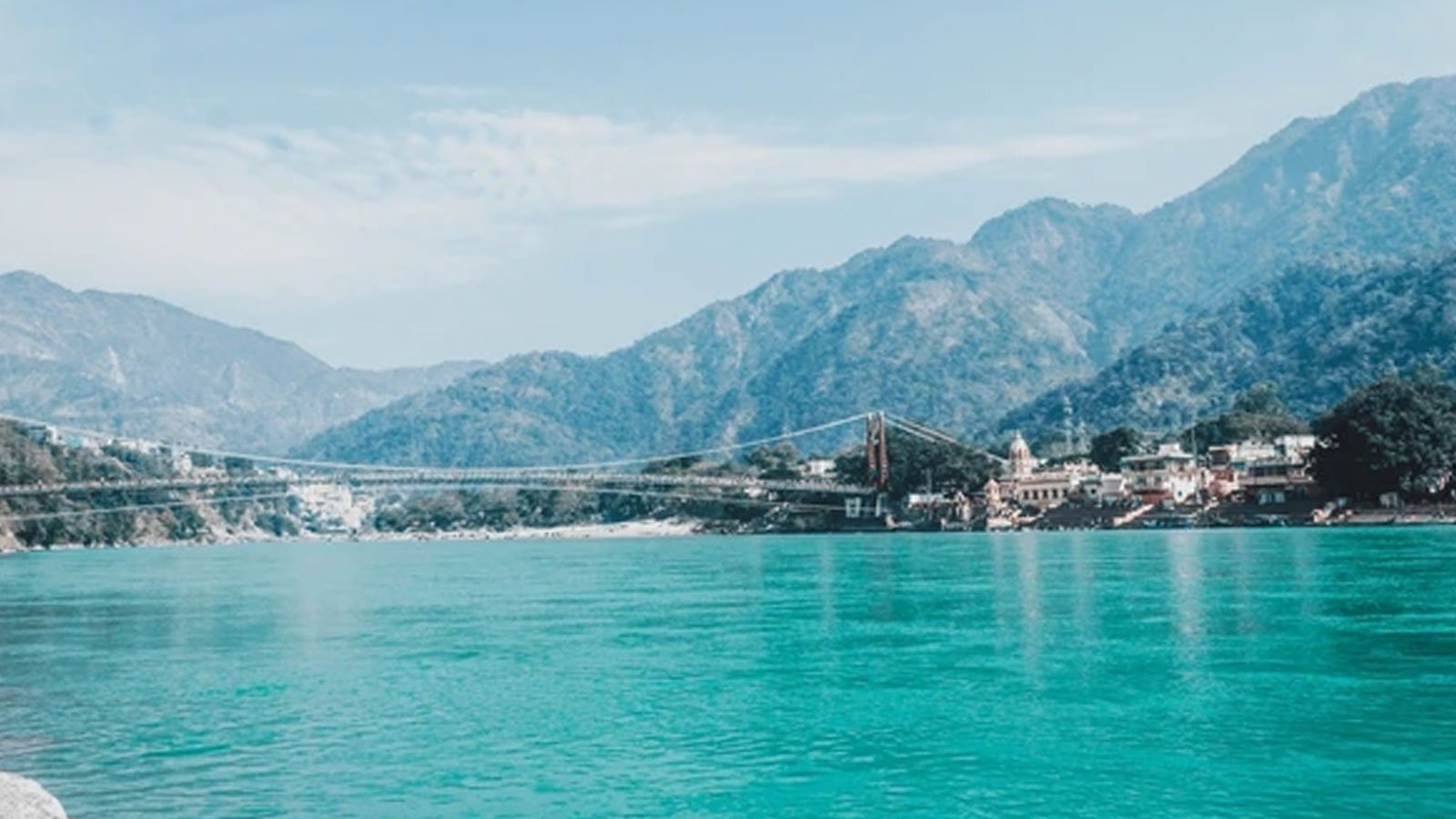
Ram Jhula and Laxman Jhula are more than just crossings over the Ganga — they’re where the town’s daily rhythm plays out, framed by temple bells, monkeys darting across the railings, and views of the river below.
2. Try White Water Rafting
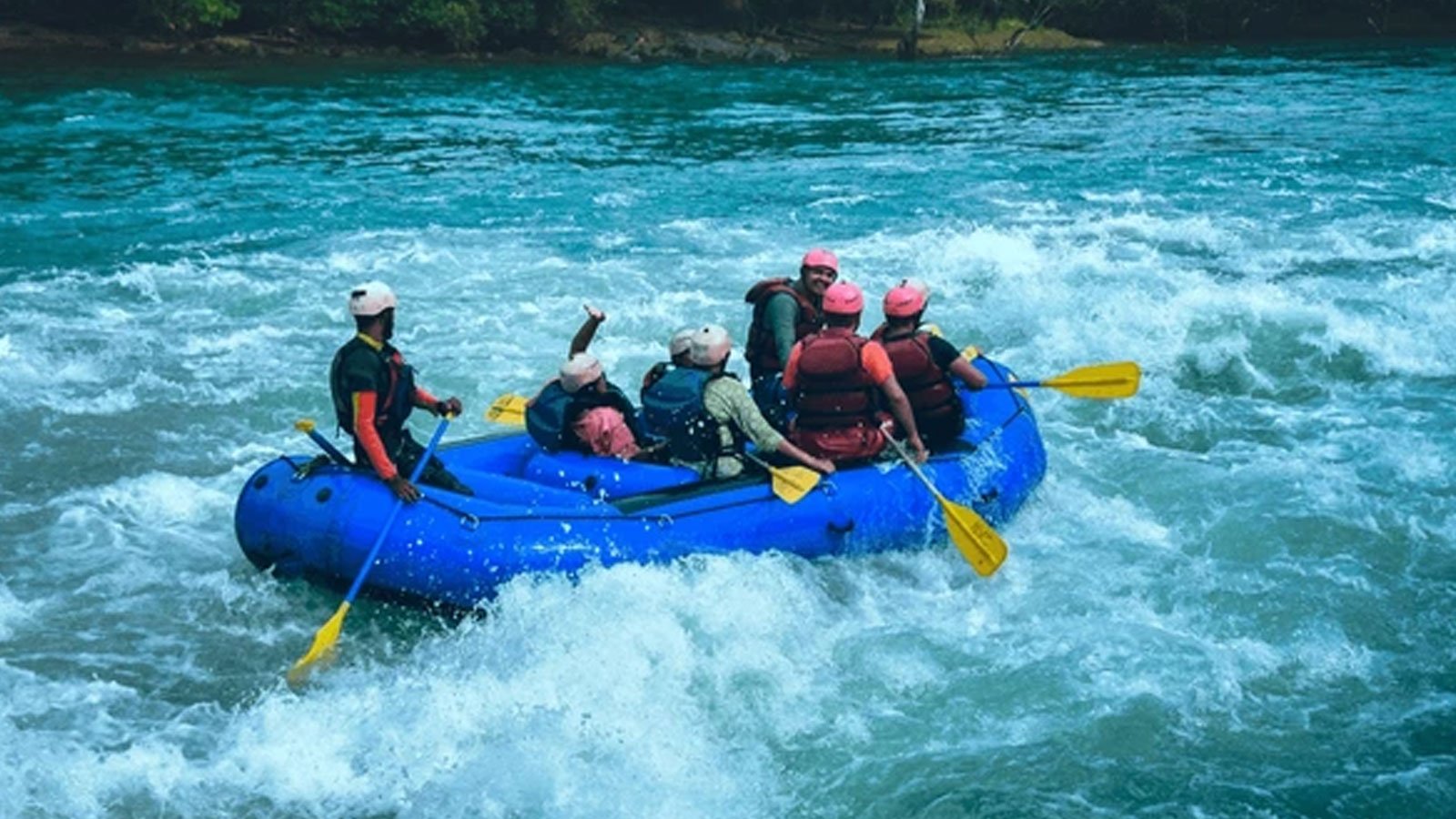
Rishikesh is one of India’s best-known rafting destinations, with stretches ranging from gentle floats to grade III–IV rapids. It’s an experience that suits both first-timers and thrill-seekers, usually run in small guided groups.
3. Trek Through the Foothills
Beyond the town, trails wind through forests and valleys towards spots like Neelkanth Mahadev, offering a quieter, more reflective side of Rishikesh — part nature walk, part pilgrimage.
4. Slow Down at a Riverside Café
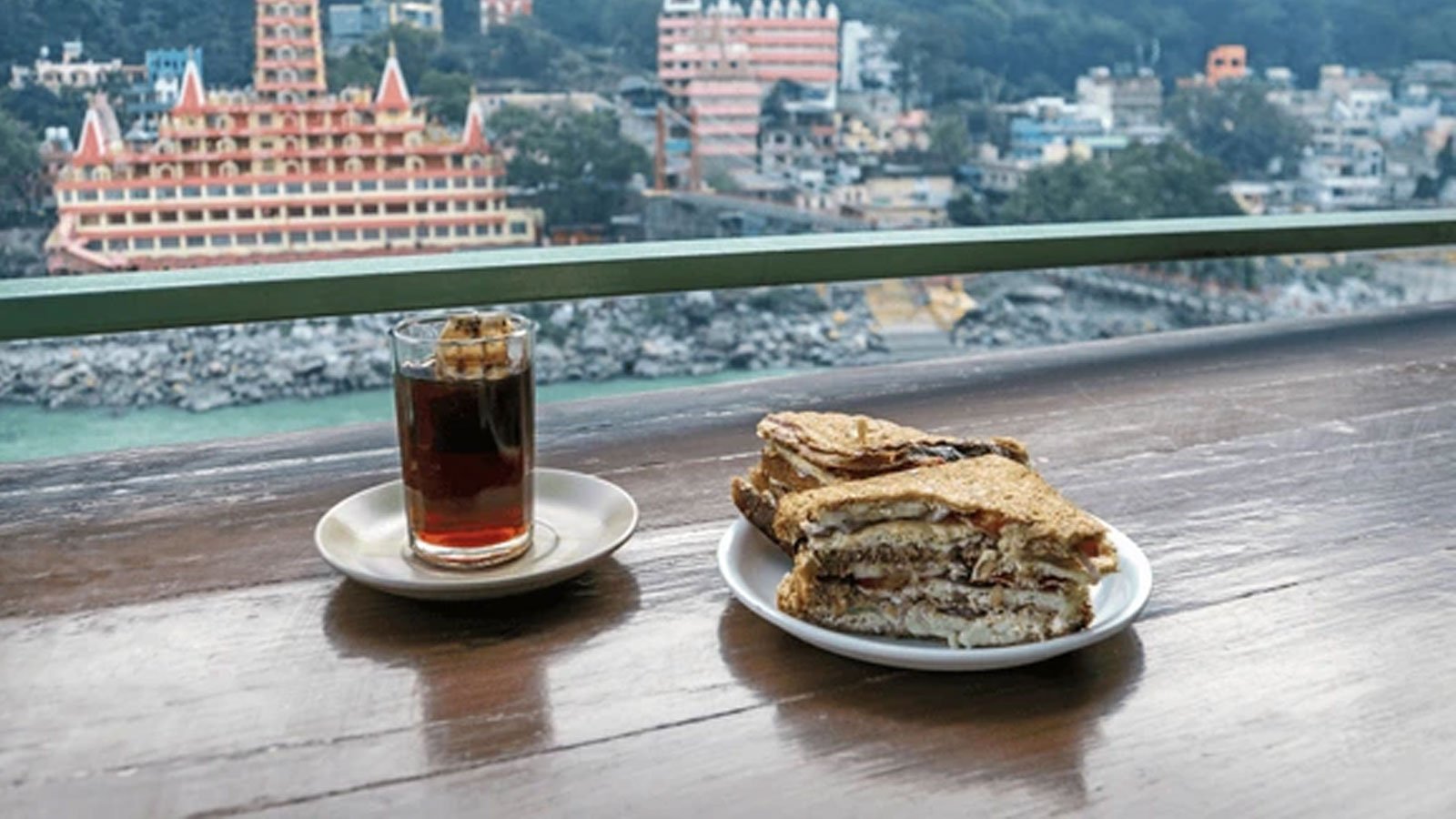
Rishikesh has a growing café culture, with laid-back spots overlooking the river serving everything from Israeli and Italian food to classic Indian thalis. It’s an easy way to fill the gaps between activities.
5. Spend an Evening at the Ganga Aarti
Held every evening at Triveni Ghat and Parmarth Niketan, the Ganga Aarti is a ceremony of lamps, chanting, and floating diyas along the river — one of the most atmospheric experiences the town has to offer.
“You won’t just visit Rishikesh — if you slow down enough, you’ll connect with it.”
Where to Stay
Accommodation in Rishikesh ranges from simple riverside guesthouses to boutique stays and wellness retreats. Areas like Tapovan and Laxman Jhula tend to be popular with international travelers for their cafés and easy access to yoga studios, while quieter stretches further from the main ghats suit those looking for a slower pace.
A Few Practical Tips
- Rishikesh is a sacred town — alcohol and non-vegetarian food are not served within municipal limits.
- Modest clothing is appreciated, especially near temples and ghats.
- Carry a light jacket even in warmer months; evenings by the river can turn cool.
- Book rafting and trekking experiences with a guided, reputable operator for a safer, more informed trip.
Final Thoughts
Rishikesh has a way of holding both ends of a traveler’s wish list — the calm of a spiritual retreat and the pulse of an adventure destination — often within the same day. Whether you’re here to raft, trek, meditate, or simply wander along the river, a little planning goes a long way in making the most of it.